
About Us
Mahad
Centenary of the Mahad Satyagraha (1927–2027)
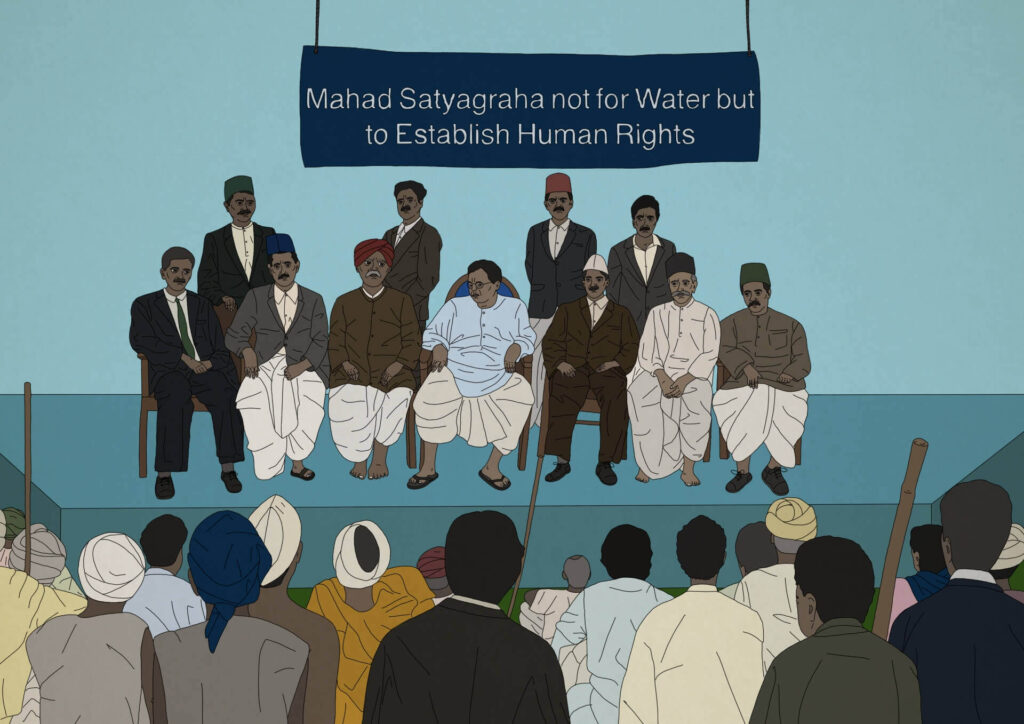
History of Mahad Satyagraha (1927): Claiming Dignity and Rights
The Historical Foundation: The Mahad Satyagraha (1927)
The Mahad Satyagraha of 1927, led by Dr. B. R. Ambedkar, stands as a watershed moment in the global struggle for human dignity and social justice. On 19–20 March 1927, in the town of Mahad (in present-day Maharashtra), Dr. Ambedkar mobilized thousands of Dalits to assert a fundamental human right: access to water from the public Chavdar Tale.
This act was far more than a protest over water. It was a powerful, non-violent challenge to the entrenched caste system that denied Dalits access to public spaces and basic human necessities. By openly defying caste-based discrimination, the Mahad Satyagraha struck at the moral and social foundations of untouchability itself.
The movement marked the beginning of the Ambedkarite Revolution—a transformative struggle rooted in equality, self-respect, and human rights. It ignited a new consciousness among oppressed communities, affirming that dignity is not granted by society but claimed as a right. Nearly a century later, the spirit of Mahad continues to inspire movements for justice and equality across India and around the world.
Some Cool Facts
People With us
1.5K
Active volunteers
10
State
105
District

Vision
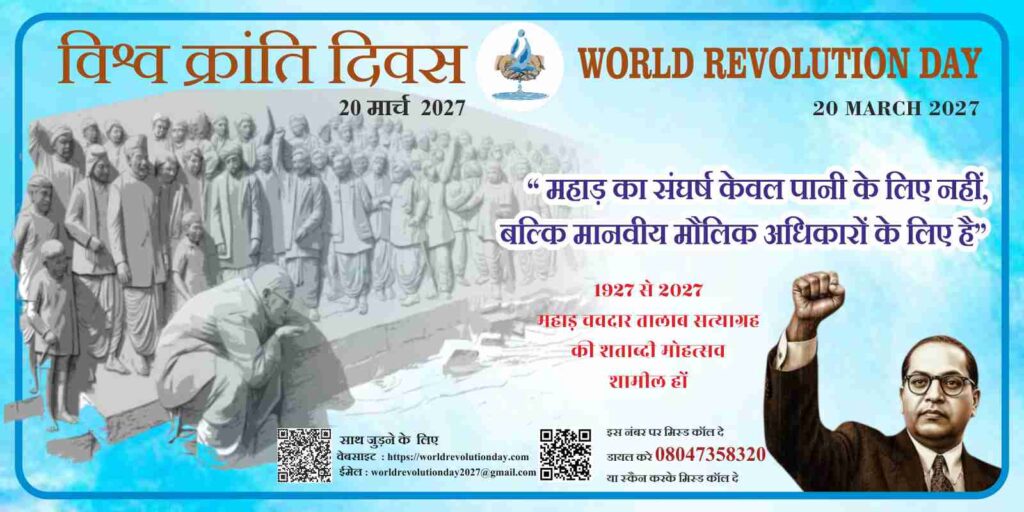
Our vision is to commemorate the centenary of the Mahad Satyagraha as World Revolution Day, honoring Dr. B. R. Ambedkar’s historic struggle for equality, dignity, and human rights. This day symbolizes the collective assertion of self-respect by oppressed communities and reaffirms the universal values of justice, liberty, and inclusion.
Through this celebration, we aim to keep alive the spirit of courage and non-violent resistance that transformed society, inspiring generations to challenge injustice wherever it exists. It is a reminder that equality is not granted by privilege, but claimed through collective action and moral conviction.
World Revolution Day also serves as a platform to unite movements across the globe, fostering dialogue, awareness, and commitment to human rights. By honoring this legacy, we envision a future where every individual can live with dignity, free from discrimination, and empowered to shape a just and inclusive world.
The Action Plan
.
Phase 1: The Build-Up (2026)
A National Planning and Mobilization Conference will be held on 19–20 March 2026 in Mahad, marking the 99th anniversary. The conference will define the vision, strategy, and organizational roadmap for the movement.
This will be followed by a year-long grassroots campaign across villages, districts, and states to build awareness, develop local leadership, and mobilize broad-based participation.
Phase 2: The Centenary (2027)
The Samta Satyagraha Conference will be held in Mahad on 19–20 March 2027, with participation from national and international representatives. The conference will serve as a platform for dialogue, reflection, and collective action on issues of equality and justice.
A key outcome will be the release of a Human Rights Status Report documenting ongoing discrimination based on caste, gender, and religion, along with policy recommendations and strategies for advocacy at national and global levels.
Phase 3: The Way Forward (Post-2027)
The centenary will serve as a launchpad for long-term structural change. A five-year action plan will guide sustained interventions across social, political, and cultural spheres.
Review conferences every five years will assess progress, refine strategies, and strengthen accountability. This long-term framework will ensure continuity, collective leadership, and sustained momentum for the emancipatory social movement.
